Seamless Map of the City: A New Approach to Urban Navigation and Planning
In today's fast-paced urban environments, the need for efficient navigation, effective planning, and intuitive design has never been more critical. Seamless Map of the City is a revolutionary concept that merges advanced mapping technology with user-centric design to create an abstract yet highly functional representation of a city. Whether you're a city planner, a developer, or a resident looking for better ways to navigate your surroundings, Seamless Map of the City offers a fresh perspective on how we interact with urban spaces.
The Concept Behind Seamless Map of the City
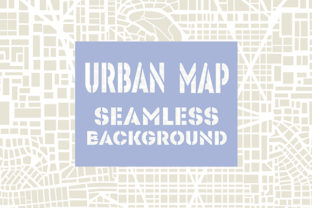
Seamless Map of the City is not just a traditional map—it’s a dynamic, editable vector street map of a fictional generic town designed to serve as a versatile tool for both practical and creative applications. Unlike conventional maps that focus solely on physical geography, this map emphasizes usability, scalability, and adaptability. It features clean lines, intuitive layouts, and a modular structure that allows users to customize elements such as roads, buildings, and public spaces according to their specific needs.
This abstract urban background is ideal for anyone looking to visualize cityscapes without being constrained by real-world details. The map is built using vector graphics, which means it can be easily edited, scaled, and integrated into various digital platforms—making it a powerful resource for designers, educators, and urban planners alike.
Challenges in Urban Mapping and Navigation
Traditional city maps often fall short in several key areas. They can be cluttered, difficult to read, or outdated, leading to confusion and inefficiency. For instance, navigating a new city can be overwhelming due to complex street layouts, unclear signage, and limited accessibility information. Additionally, urban planning processes frequently struggle with data integration, stakeholder collaboration, and long-term sustainability goals.
Seamless Map of the City addresses these challenges by providing a streamlined, customizable solution. Its abstract nature allows for clarity and simplicity, while its editable format enables users to tailor the map to reflect evolving urban conditions. This makes it particularly useful for scenarios where quick adjustments or simulations are required.
Practical Applications of Seamless Map of the City
The versatility of Seamless Map of the City makes it applicable across multiple domains. Here are some key use cases:
- Urban Planning: City planners can use the map to simulate infrastructure changes, test traffic flow, and assess the impact of new developments before implementation.
- Education: Students and educators can utilize the map as a teaching tool to explore urban design principles, geography, and spatial reasoning in a visual and interactive way.
- Design and Visualization: Architects and graphic designers can incorporate the map into presentations, prototypes, or digital experiences to communicate ideas more effectively.
- Navigation and Accessibility: Developers can integrate the map into apps or websites to provide users with an easy-to-use interface for exploring cities, finding points of interest, and improving overall accessibility.
- Research and Analysis: Researchers can leverage the map for data visualization, pattern recognition, and comparative studies of different urban environments.
By offering a flexible and scalable framework, Seamless Map of the City empowers users to approach urban challenges with creativity and precision.
How Different Users Can Benefit from Seamless Map of the City
The value of Seamless Map of the City lies in its adaptability. Different users may approach the map in unique ways depending on their goals and expertise:
- City Planners: May use the map to simulate proposed changes, evaluate environmental impacts, and engage with the community through interactive visualizations.
- Students and Educators: Might use the map as a learning tool to study urban structures, analyze transportation systems, or explore historical city layouts.
- Developers and Designers: Could integrate the map into digital products, games, or virtual reality experiences to enhance user engagement and immersion.
- Residents and Commuters: May benefit from the map's clarity and simplicity when navigating unfamiliar areas or planning daily commutes.
Regardless of the user’s role, the core advantage of Seamless Map of the City is its ability to simplify complex urban landscapes into accessible, actionable insights.
Considerations for Implementation and Use
While Seamless Map of the City offers numerous benefits, there are important considerations to keep in mind during implementation:
- Customization Needs: Depending on the intended use, users may require varying levels of customization. It’s essential to determine what elements should be editable and how they should be structured.
- Integration Capabilities: Ensure the map can be seamlessly integrated into existing platforms or workflows, whether it's a website, mobile app, or desktop application.
- Scalability: The map should be designed to handle large datasets and support high-resolution rendering without performance issues.
- User Experience: Prioritize intuitive interfaces and clear labeling to ensure that all users, regardless of technical skill level, can navigate and interact with the map effectively.
- Accessibility: Consider accessibility standards to make sure the map is usable for individuals with disabilities, including screen readers and alternative input methods.
By addressing these factors, users can maximize the potential of Seamless Map of the City and ensure it meets their specific needs.
Conclusion
Seamless Map of the City represents a significant step forward in how we think about urban mapping and design. By combining simplicity, flexibility, and functionality, it offers a powerful solution for a wide range of users and applications. Whether you're looking to improve navigation, enhance planning, or simply explore urban environments in a new way, Seamless Map of the City provides the tools and inspiration to do so effectively.
As cities continue to evolve, so too must the tools we use to understand and shape them. With Seamless Map of the City, the future of urban exploration and planning is more accessible than ever.