Abstract Triangle Background
The abstract triangle background is more than just a visual element—it's a versatile design tool that can elevate the look and feel of any project. Whether you're working on a presentation, a creative portfolio, or a website, this geometric shape offers a clean, modern, and dynamic foundation. Its simplicity allows for endless customization, making it an ideal choice for those looking to add depth, structure, or artistic flair without overwhelming the viewer.
What Makes Abstract Triangle Background Unique?
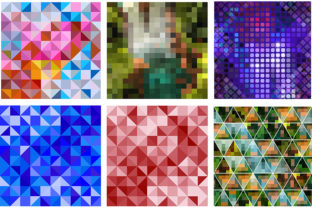
An abstract triangle background typically features triangles arranged in non-representational patterns. These shapes can be colored, layered, or overlaid with textures to create a visually engaging backdrop. Unlike traditional backgrounds, which often rely on flat colors or gradients, the abstract triangle background introduces movement and balance through geometry.
This type of background is particularly effective because it:
- Enhances visual hierarchy by drawing attention to key content areas.
- Offers flexibility in terms of color schemes and design styles.
- Supports creativity by encouraging experimentation with form and composition.
- Provides a modern aesthetic that aligns with current design trends.
Creative Possibilities with Abstract Triangle Background
The beauty of the abstract triangle background lies in its adaptability. Here are some creative directions you can explore:
1. Minimalist Design
For a clean and professional look, use a single-color or monochrome abstract triangle background. This approach works well for presentations, infographics, or landing pages where clarity is essential.
Tip: Use subtle gradients or slight shading to give the triangles depth without overpowering the design.
2. Dynamic Visuals
Experiment with overlapping triangles in different sizes and angles to create motion or tension. This style is perfect for websites, social media graphics, or video thumbnails that need to stand out.
Example: A website banner featuring a series of rotating triangles can catch the eye and encourage user interaction.
3. Color Exploration
Play with contrasting or complementary colors to make your abstract triangle background pop. For instance, pairing bold red triangles against a soft blue background can evoke energy and calm simultaneously.
Recommendation: Use tools like Adobe Color or Coolors to find harmonious combinations that align with your brand or message.
Practical Applications Across Industries
The abstract triangle background isn't limited to one industry. Here’s how it can be applied in various contexts:
Design Brochures and Publications
In print design, the abstract triangle background can serve as a striking cover or page layout. It adds visual interest while keeping the focus on text and images. Consider using it for brochures promoting art exhibitions, workshops, or creative services.
Website and Digital Content
On digital platforms, the abstract triangle background can enhance user experience by providing a cohesive and memorable visual identity. Use it in hero sections, banners, or as a subtle overlay behind call-to-action buttons.
Tip: Ensure the background doesn’t distract from the main content. Keep it subtle unless the goal is to create a strong visual statement.
Presentations and Marketing Materials
When creating slides for business or educational purposes, the abstract triangle background can help maintain a consistent and modern look. It also allows for easy customization depending on the topic or audience.
Use case: A marketing presentation about innovation could feature a gradient of blues and purples with abstract triangles to symbolize growth and transformation.
How to Create Your Own Abstract Triangle Background
Creating an abstract triangle background doesn’t require advanced technical skills. Here are some simple steps to get started:
- Choose your design software: Tools like Canva, Adobe Illustrator, or even PowerPoint offer templates and shape tools to build your background.
- Plan your layout: Decide on the number of triangles, their placement, and how they interact with each other.
- Add color and texture: Experiment with fill colors, gradients, and overlays to achieve the desired effect.
- Test across devices: Ensure the background looks good on all screen sizes and resolutions.
Remember, the goal is to support your content rather than overshadow it. A well-designed abstract triangle background should enhance readability and engagement.
Conclusion
The abstract triangle background is a powerful design element that bridges creativity and functionality. Whether you're a designer, marketer, educator, or entrepreneur, this versatile tool can help you communicate more effectively and visually. By experimenting with color, layout, and purpose, you can tailor the abstract triangle background to meet your specific needs and audience expectations.